
One Room Is Colder Than the Others: What Should You Check First?
Organize a cold-room investigation by recording symptoms, checking adjoining spaces and asking about heating and insulation assessments.
Describe the pattern
Start with which room is affected, when it feels cold and whether the problem changes with weather, heating cycles or an open door. Note whether the floor, wall or whole room feels different.
These observations help a professional plan the visit. They do not prove that a particular insulation material is missing.

Map the room’s surroundings
Identify what is above, below and beside the room: attic, garage, crawl space, exterior walls or another living area. Mention sloped ceilings, short attic walls and access doors.
Ask the assessor which boundaries can be inspected and which remain concealed. A room is more than its visible four walls.

Include recent changes
Tell the provider about window replacement, remodeling, new equipment or previous insulation work. Keep available invoices, photographs and scopes.
Describe whether the symptom started after a change or was already present. This helps organize the investigation without automatically assigning blame.
Ask whether heating needs evaluation
Different room conditions may call for a review of the building envelope, the heating system or both. Ask who is qualified to evaluate each part and what the initial appointment includes.
A contractor should explain the basis for an insulation recommendation. If mechanical questions remain, identify the appropriate next assessment.

Use tests with clear limitations
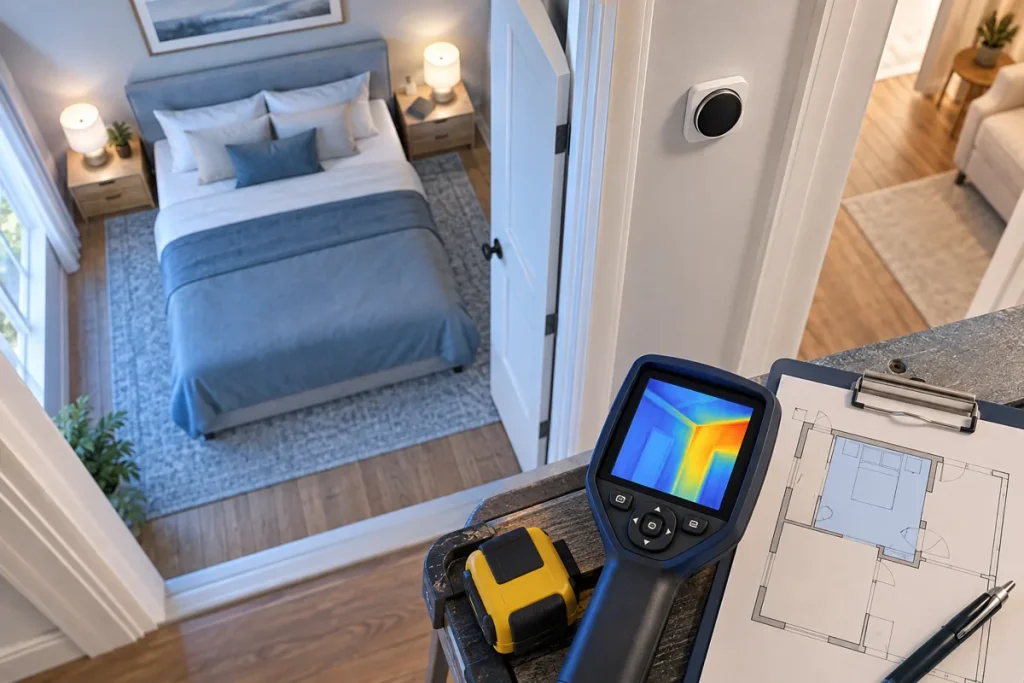
A provider may recommend thermal imaging or air-leakage testing to investigate specific questions. Ask what the test can show, how to prepare and what documentation you will receive.
Keep observed conditions separate from interpretations. Concealed conditions may require further evaluation before a final scope is priced.

Turn findings into a practical plan
Prioritize work based on the assessment and ask how each task relates to the complaint. Include access, property protection and finish restoration when comparing proposals.
Read the main inspection guide for the full sequence from first call to completion. A structured process is more useful than choosing a product before the cause is understood.
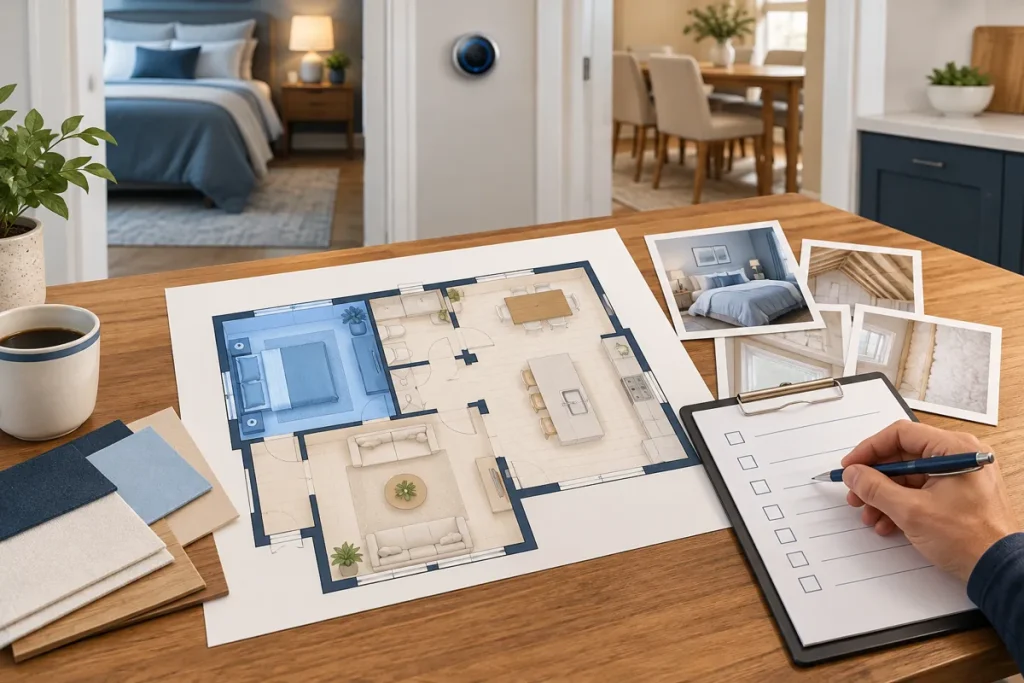

Icynene open-cell insulation
Explore Icynene spray foam materials for interior insulation applications.
Explore Icynene ↗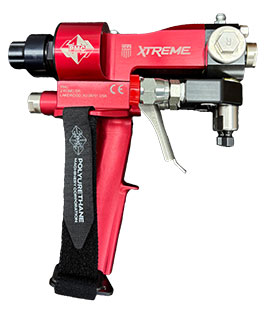
Explore the Xtreme Spray Gun
See PMC spray foam gun information and connect with its distributor network.
Explore PMC spray guns ↗